
Every event budget meeting gets there eventually. Someone points at the entertainment line and asks what the company actually gets for that money.
It’s a fair question. A great live band isn’t cheap, and adding a recognizable artist costs more again. Finance teams are right to want something firmer than “everyone had a good time.” The problem is that most attempts to answer it use the wrong measuring stick. Here’s an honest look at what live music returns, when it pays off, when it doesn’t and how to put numbers on it.
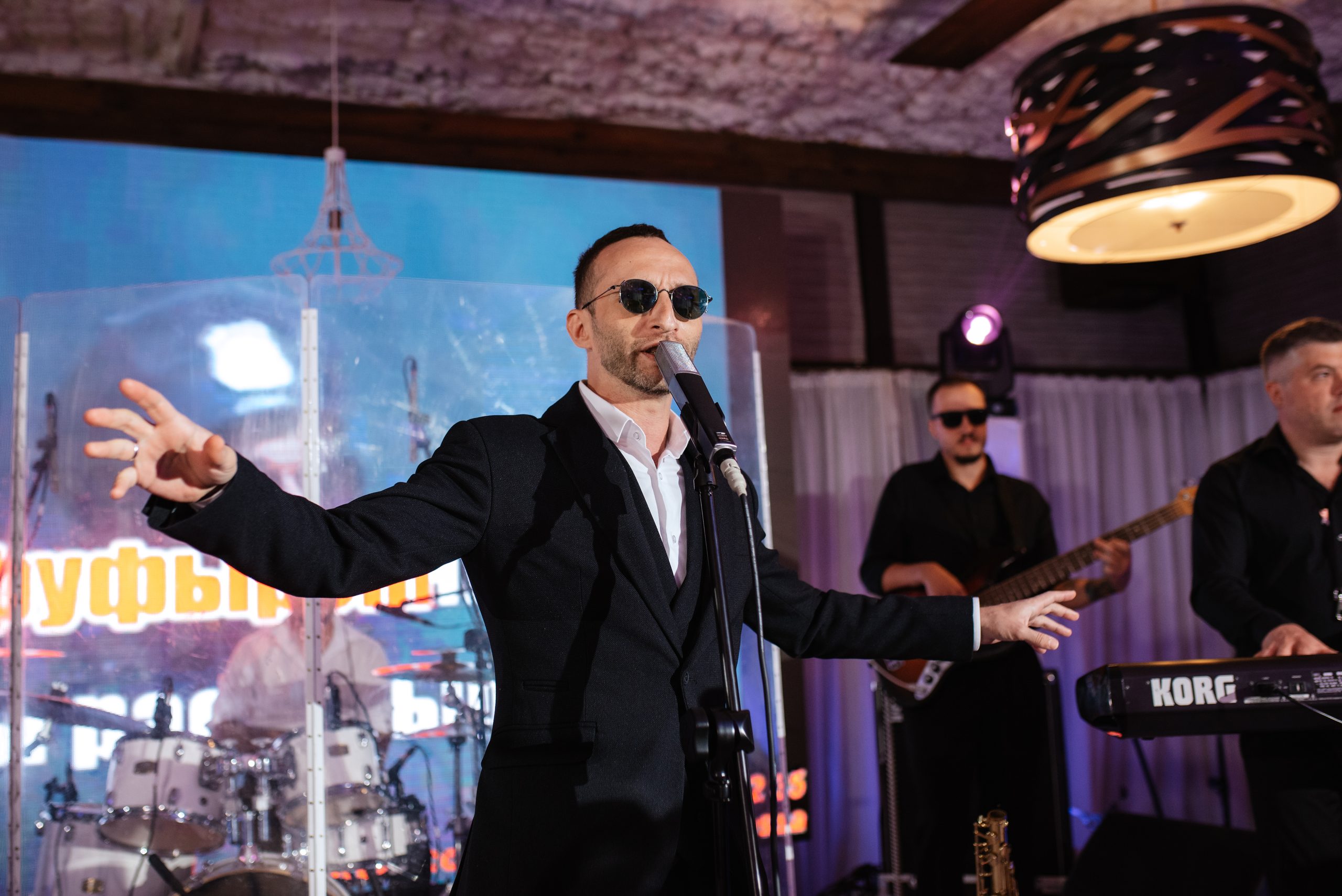
The Problem With Traditional ROI Thinking for Entertainment
Classic ROI wants a straight line: spend X, earn Y. That works for a paid search campaign. It falls apart at a holiday party or a client gala.
Nobody signs a contract on the dance floor. Entertainment pays off later and indirectly, in how people feel about where they work, in a client who returns your call a little faster, in the stories that get retold at next quarter’s all-hands. Judge it only on direct revenue and it will always look like a cost. Skip measurement entirely and you’ll never know a smart booking from an expensive one. The useful answer sits somewhere between those two mistakes.
What Live Music Actually Returns: The Five Value Categories
Return Category 1: Employee Engagement and Event Satisfaction
Engagement is a real business problem. Gallup’s latest global workplace report found only 20 percent of employees were engaged in 2025, and it estimates low engagement cost the global economy around $10 trillion in lost productivity. One great night won’t fix that. It can, however, give people a rare shared moment where the company’s appreciation reaches everyone at once, and a live band moves a room faster than almost anything else.
Return Category 2: Retention Contribution
Gallup has long estimated that replacing an employee costs between half and two times their annual salary. Entertainment doesn’t keep people on its own. Still, feeling valued is part of why people stay, and a memorable event is one of the most visible ways a company can show it.
Return Category 3: Client Relationship Advancement
At client appreciation events, the music sets the tone for every conversation in the room. Relaxed guests talk longer, stay later and remember who hosted them. That goodwill shows up in renewals and referrals more often than in a single signed deal.
Return Category 4: Cultural Signaling
What you put on stage tells employees and clients what kind of company you are. A thoughtful live performance signals investment and confidence. A forgettable playlist signals that the event was an obligation.
Return Category 5: Shared Memory Creation
People rarely remember the dinner menu. They remember the moment the whole room sang along to a song they knew by heart. Those shared memories become part of a company’s story, and they’re the reason people show up for next year’s event.
The Quantification Framework: How to Put Numbers on Non-Numeric Returns
You can’t measure everything, but you can measure more than most companies do. Start before the event and follow up after it.
- Set a baseline. Run a short pulse survey before the event on how people feel about the company, then repeat it within a week.
- Track attendance and length of stay. Registration versus turnout, and how many guests are still there an hour after dinner, are honest signals.
- Score the event. Ask attendees to rate it and whether they’d recommend next year’s event to a colleague.
- Follow client activity. Count meetings booked, proposals requested and renewals in the 30 to 90 days after a client event, compared with the same period a year earlier.
- Calculate cost per guest. Divide the entertainment budget by attendance and compare it with what you spend on other engagement efforts.
Then run a simple break-even test. Say your average salary is $90,000 and replacing one person costs half of that, or $45,000. If the event helps keep even one or two people who were on the fence, the entertainment line can pay for itself. It’s not proof, but it’s a far more honest comparison than “revenue earned that night.”
When Live Music Is Unambiguously Worth It
Some events practically demand it. Client appreciation nights and galas, where the experience is the whole point. Sales kickoffs and incentive events built to reward performance and fire people up. Milestone anniversaries, company celebrations after a merger or a hard year, and fundraisers where energy in the room translates into donations. If people are meant to leave feeling something, live music earns its place.
When Live Music Is NOT Worth the Premium
Sometimes the honest answer is no. A short networking reception where conversation is the goal rarely needs a full band, and loud music can actively work against it. Very small groups often feel awkward in front of a big stage. And if the entertainment budget would mean cutting food, AV or staffing, fix the basics first. Great music won’t save a night where guests are hungry and can’t hear the speeches.
The Celebrity Sit-In ROI Advantage: More Value Per Dollar
Booking a famous headliner with their full touring production is out of reach for most corporate budgets. Celebrity Sit-In takes a different route. The award-winning band Maggie Speaks, which has performed in 15 countries and 35 states, plays the evening. Celebrity artists then join them on stage to perform their own greatest hits.
The roster includes names like Steve Augeri (Journey), Mike Reno (Loverboy), Don Felder (Eagles), Debbie Gibson and Mark McGrath (Sugar Ray). Shows run one to three hours with one to six celebrities, and most guest artists perform about 30 minutes while Maggie Speaks carries the rest of the night. Cost depends on each artist’s fee, travel and backline needs and the size of the band, so every event gets a custom proposal.
For ROI, that structure matters. You get the shared-memory moment of a real recording artist singing the song everyone knows, plus a full evening of polished live music, without paying for an entire touring act. Several artists across different eras can also reach more of your audience than any single headliner.
The Honest Answer
Live music isn’t worth it for every event. For the ones meant to reward, retain and impress, it’s one of the few line items that people still talk about months later. Measure what you can, match the format to the purpose of the night and spend where it shows up in the room.
If you’re weighing a band, a headliner or something in between, Celebrity Sit-In can build a proposal around your audience, your venue and your budget.
Book a Celebrity Sit-In for Your Next Corporate Event
Phone: 480-716-0400
Email: sales@magevents.com
Website: celebritysitin.com
Chicago Office: 1440 W Taylor Street, Suite 340, Chicago, IL 60607 (815-230-3770)
Scottsdale Office: 10105 E Via Linda, Suite 103-705, Scottsdale, AZ 85258
Format: Maggie Speaks plus 1 to 6 celebrity artists, shows of 1 to 3 hours, custom proposal for every event